We use cookies to improve your online experience. By continuing browsing this website, we assume you agree our use of cookies.

How does cotton ginning plant works in China?

Views : 1680
Author : Xcotton
Update time : 2024-11-15 10:31:11

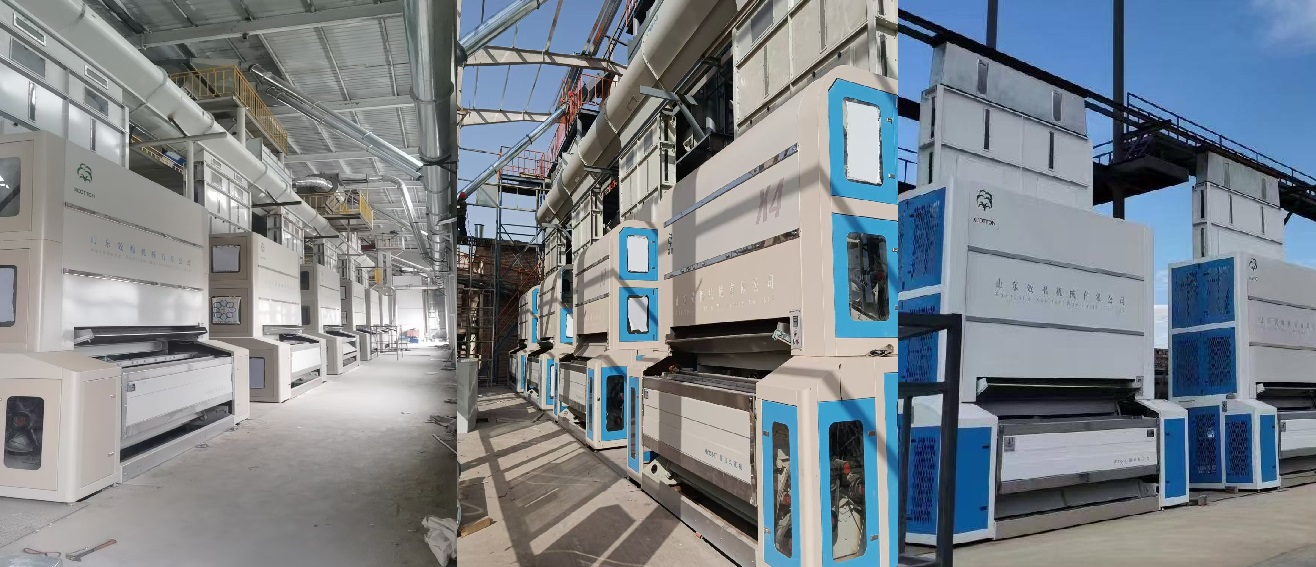
In China, cotton gins play a crucial role in processing raw cotton into bales that are ready for the textile industry. Cotton processing typically involves several key steps, each employing specialized equipment to ensure efficiency and quality. Here’s an overview of how cotton is processed in China cotton gins:

1. Receiving and Grading

The cotton processing begins at the gin when the raw cotton, usually harvested from the fields and transported in large trailers, is received. Upon arrival, the cotton is visually inspected and graded for quality based on factors such as fiber length, color, and the presence of impurities. This step is essential as it determines the price of the cotton and its suitability for different applications.

2. Unloading and Moisture Control

Once graded, the cotton is unloaded into a receiving area where it is kept dry to avoid mold and degradation. Moisture control is crucial, so special equipment such as moisture meters is used to monitor the moisture content of the cotton. If necessary, the cotton may be dried before ginning.

3. Ginning

The gin is where the actual separation of cotton fibers from seeds takes place. This process involves several pieces of equipment:
  • Pre-cleaners: These machines remove leaves, stems, and other debris from the cotton before it enters the gin.
  • Gin stands: The core of the ginning process, the gin stands use rotating saws to pull the cotton fibers through a series of rotating blades, effectively separating the fibers from the seeds. The Xcotton 158 Gin Stand is an example of a widely used model in the industry.
  • Seed cotton cleaners: After ginning, seed cotton cleaners further remove any remaining impurities from the cotton fibers.

4. Seed and Fiber Separation

The seeds and fibers are discharged separately. The seeds are collected and transported for processing into oil or animal feed, while the cotton fibers are directed to the next stage.

5. Baling

The cleaned cotton fibers are then compressed into bales using a baler. This equipment compacts the cotton to facilitate storage and transportation. The bales are wrapped and labeled for shipping to textile mills.

6. Storage and Shipping

Finally, the bales of cotton are stored in a warehouse until they are shipped to customers, usually textile manufacturers. The storage area is climate-controlled to maintain the quality of the cotton until it is purchased.

7. By-products Management

Additionally, gins manage by-products effectively. Cotton seeds can be processed for oil extraction, while waste materials like leaves and stems are sometimes used for animal bedding or composting. Overall, the process of cotton ginning in China is a sophisticated operation that combines various steps and specialized equipment to ensure the efficient and effective transformation of raw cotton into high-quality products for the textile industry. The entire process is designed to maximize yield, minimize waste, and maintain the integrity of the cotton fiber throughout the ginning process.


    Related News
    Read More >>
     Marching Out! Xcotton Sounds the Bugle for After‑Sales Service  Marching Out! Xcotton Sounds the Bugle for After‑Sales Service
    Aug .27.2026
     Marching Out! Xcotton Sounds the Bugle for After‑Sales Service
    ‌How to Completely Solve the Three Yarn Problem in Cotton ‌How to Completely Solve the Three Yarn Problem in Cotton
    Apr .29.2025
    To address the persistent issue of "three yarn" (non-cotton fibers) in cotton production, the following comprehensive measures can be implemented:
    Zhengzhou Cotton&Jute Engineering Technology and Design Research Institute Zhengzhou Cotton&Jute Engineering Technology and Design Research Institute
    Feb .27.2025
    效棉公司是一家专业制造和研发棉花加工设备的企业,公司拥有专业的棉机研发队伍,具有棉花加工成套研发设计能力,已取得多项新技术专利